Children often inherit attitudes long before they understand the consequences. They absorb not only what we teach intentionally, but also what we reveal through casual remarks, offhand judgments, and conversations we assume they are too young to notice.
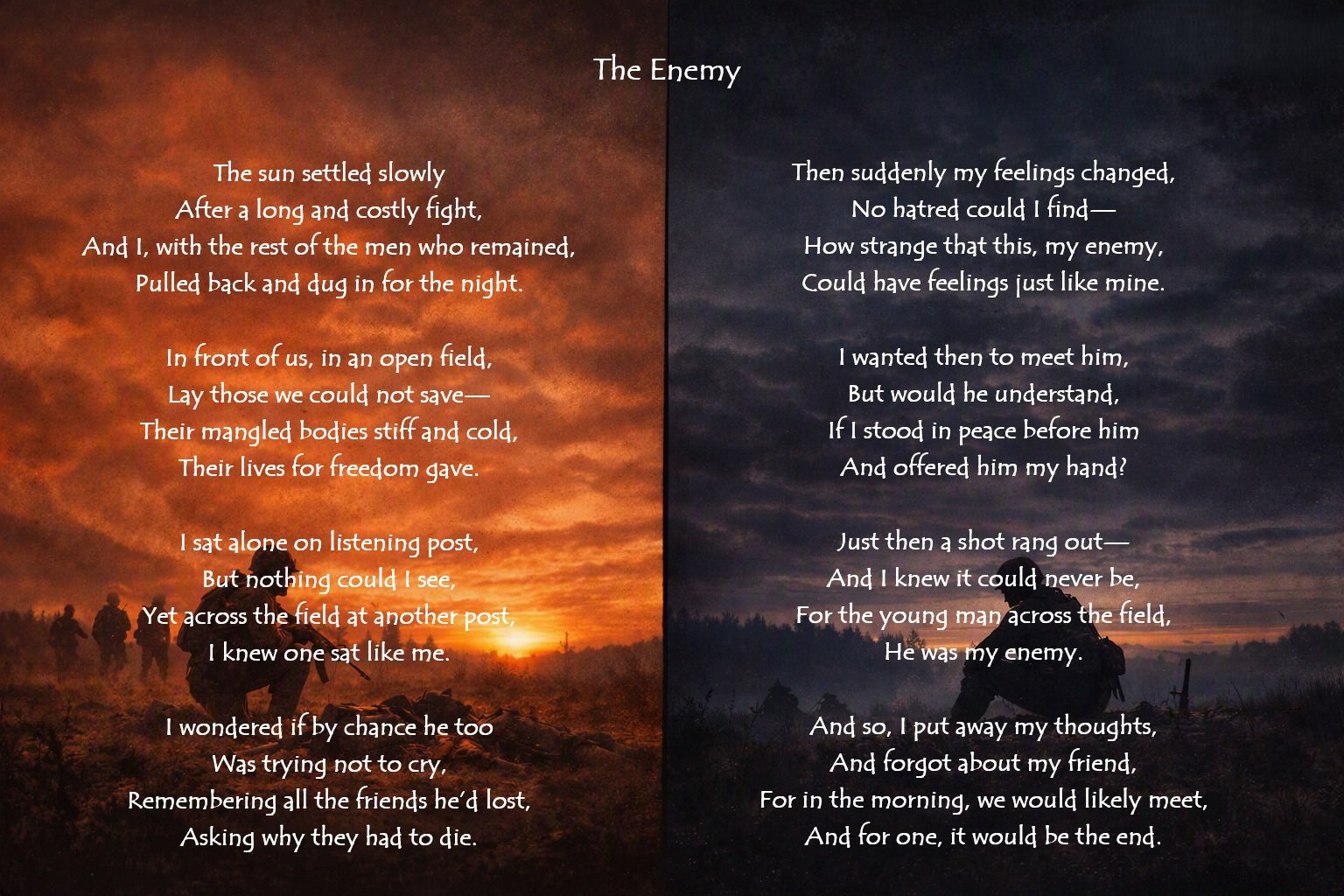
History has shown us something unsettling: before people can be persuaded to mistreat others, they are often first persuaded to see those others as somehow less deserving of empathy. Every act of exclusion begins with a story about who belongs and who does not. Every division begins with a line drawn between “us” and “them.”
I sometimes wonder how conflict takes root in our world. How do prejudice, hostility, and indifference survive generation after generation?
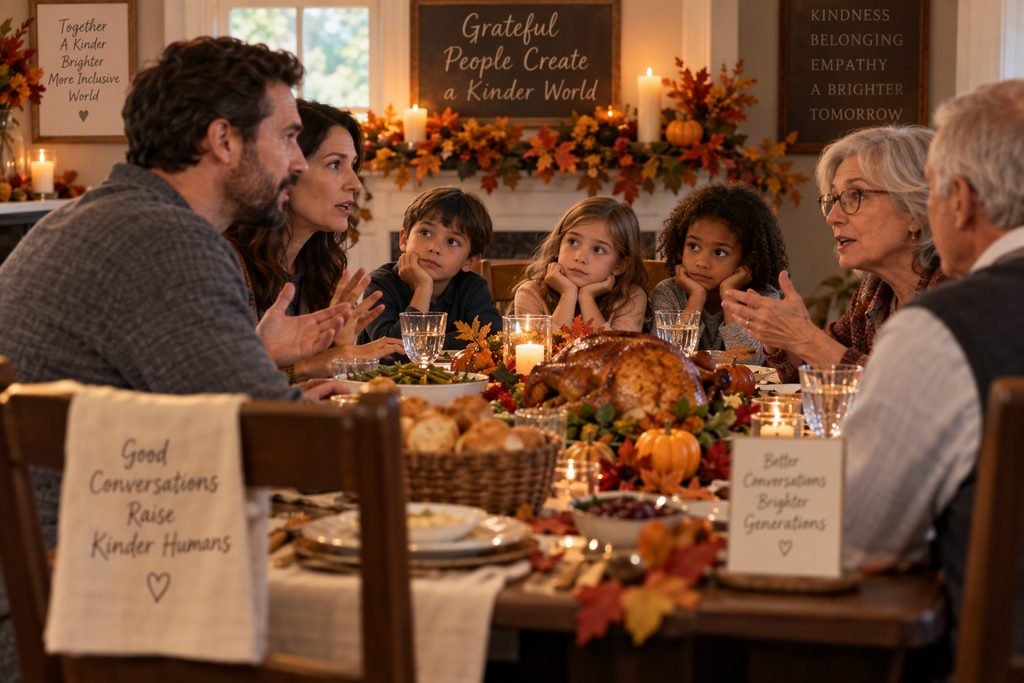
I believe the process often begins quietly, not in public squares or halls of power, but around dinner tables, in living rooms, and at family gatherings. It begins when stereotypes are repeated without challenge, when suspicion is treated as wisdom, and when children hear others spoken of as less important, less capable, less worthy, or somehow less human.
Compassion, kindness, and respect can also be passed down. When children hear us speak with understanding about people who are different from us, or when they see us recognize the humanity in others, even those with whom we disagree, they learn that every person has value.
This Thanksgiving, as we gather around tables across America, I hope we will be mindful not only of the food we share, but also of the words we speak. The next generation will be listening, their hearts forming conclusions about the world and about the people who inhabit it.
May our conversations sow seeds of curiosity instead of suspicion, nurture understanding instead of division, and may our words leave a legacy not of judgment and exclusion, but of radical empathy wide enough to embrace every member of our human family.
Tomorrow’s world will be shaped, in part, by our conversations this year at the Table of Thanksgiving.